As the world of home furnishings keeps changing, picking the right dining chairs has probably become more important than ever. Seriously, in 2026, there are so many options out there for buyers worldwide that it can get pretty overwhelming. It’s really key to find that sweet spot between looking good and being functional — you don’t want to sacrifice comfort just to match your decor. Brands like IKEA, Magnolia Home, and West Elm have tons of choices, but don’t forget to check out what materials are used and how well the chairs are built.
Now, it’s tempting to just pick something that looks nice, but comfort is a big deal too. A lot of people tend to forget about ergonomics, and that can lead to some uncomfortable dinners or long conversations around the table. Trust me, it’s worth thinking about how much you'll actually enjoy sitting in your new chairs. Plus, more and more folks are paying attention to whether their furniture is eco-friendly — we’re all a bit more conscious about our environmental footprint these days.
When you’re on the hunt for the perfect dining chairs, keep both style and practicality in mind. Think about how they fit with your personal vibe and what you really need. Finding those ideal chairs isn’t just about looks — it’s about making a choice that feels right and aligns with your values. So, take your time, do a little research, and don’t be afraid to go for options that resonate with your taste while also being responsible about the environment.
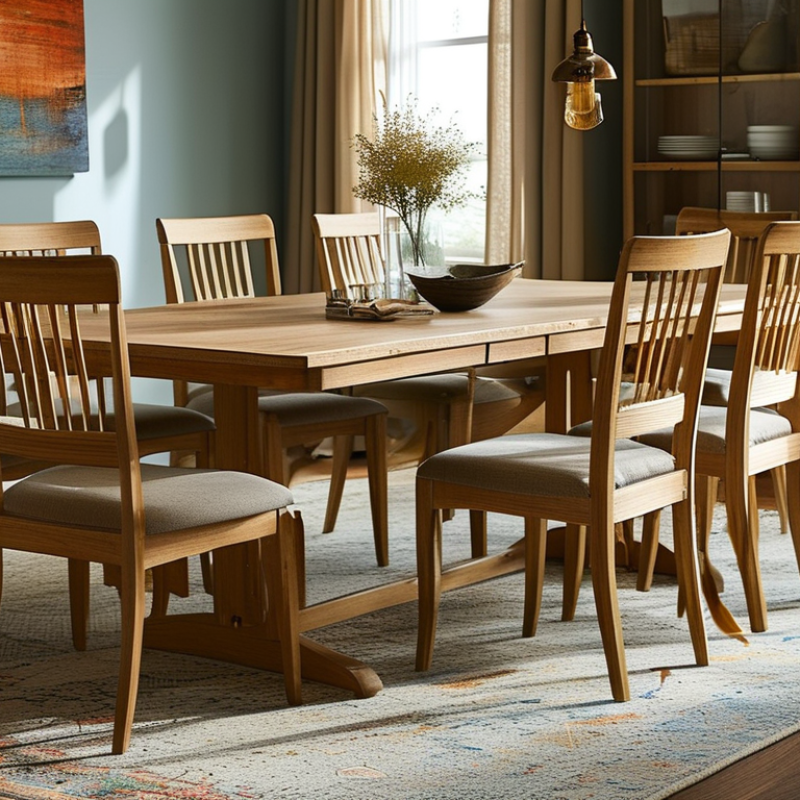
Global Dining Chair Trends for 2026
As we look ahead to 2026, the trends in Dining Room Chairs reflect a blend of comfort, sustainability, and design innovation. A recent industry report indicates that 58% of consumers prioritize eco-friendly materials. This shift emphasizes natural finishes and sustainably sourced woods. Buyers are increasingly concerned about the lifecycle of their furniture. Selecting materials that reduce carbon footprint is now a critical factor in their purchasing decisions.
Moreover, the demand for multifunctionality is on the rise. In 2026, approximately 45% of customers prefer dining room chairs that offer versatility. Chairs that can transition from dining to work-from-home setups cater to modern living spaces. The trend shows a growing interest in ergonomic designs, leading to improved posture and comfort during long meals.
However, some challenges persist. The market faces issues with product durability versus design aesthetics. While many consumers desire striking visuals, they often struggle with the balance of style and functionality. As dining room chairs become focal points in home decor, the need for durability cannot be overlooked. Buyers may find themselves contemplating how much beauty they’re willing to sacrifice for practicality.
Key Features to Look for in Dining Chairs
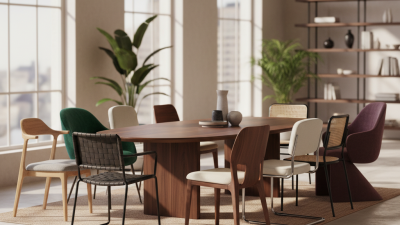
When choosing dining chairs, comfort should be a priority. A well-padded seat can enhance the dining experience. Look for chairs with ergonomic designs that support your back. Materials matter too. High-quality fabrics or leather can add elegance. Wooden chairs offer durability and a classic feel.
Stability is essential in dining chairs. A sturdy base ensures safety, especially for heavy use. Test the chair's weight limit before buying. Consider the height of the chair as well. It should align with your dining table for ease of dining. Some chairs take time to get used to. It’s okay to experiment to find the right fit.
Aesthetic plays a crucial role too. Choose styles that match your home décor. Colors and finishes can transform your dining space. Remember, trends change. What’s popular now may not be in a few years. It's smart to invest in timeless designs while considering future shifts.
Popular Materials in Dining Chair Design
When considering dining chair designs, materials play a crucial role. Common choices include wood, metal, plastic, and upholstered fabrics. Each material offers distinct aesthetics and comfort levels. For example, wooden chairs provide warmth and classic charm. Metal options lend a modern touch and durability.
Upholstered chairs enhance comfort. They can be designed with various fabrics, from leather to linen, adding texture and color. However, it's essential to choose a fabric that is easy to clean. Plastic chairs are lightweight and versatile, perfect for casual dining settings. Yet, they may lack the comfort found in other options.
Tips: Always consider the room's overall style. Mixing materials can create an eclectic look. Test the chairs before buying, ensuring they fit well with your dining table. Reflect on comfort versus design; sometimes aesthetics outweigh practicality, leading to discomfort. Look for balance in your choices.
Color and Style Preferences for Global Buyers
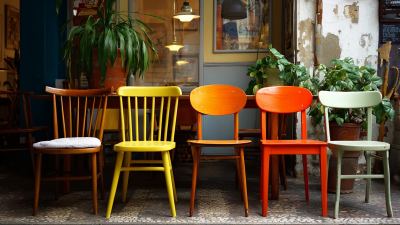
When choosing dining chairs, color and style preferences vary globally. Many buyers opt for neutral tones for their versatility. These shades blend seamlessly with different decor themes. However, some buyers crave bold colors to make a statement. A vibrant chair can transform a dining space into a lively atmosphere.
Texture also plays a crucial role. Many global buyers appreciate the tactile appeal of materials like velvet or leather. Italian dining chairs, known for superior craftsmanship, often showcase rich fabrics and intricate designs. This adds elegance to any setting while providing comfort. It’s essential to choose a fabric that aligns with your lifestyle.
Here are some tips:
1. Consider your dining room's overall decor. A mismatch can be jarring.
2. Don’t hesitate to mix styles. A dining chair with a contemporary design can pair nicely with a vintage table.
Reflecting on these preferences helps buyers make informed decisions. Keeping an open mind about colors and styles can lead to surprisingly satisfying results. The dining space should reflect personal taste while also considering functionality.
Ergonomics and Comfort in Dining Chairs
Choosing the right dining chair goes beyond aesthetics. Ergonomics plays a crucial role in ensuring comfort during meals. A chair should support the natural curve of the spine. Poor support can lead to discomfort and long-term issues. Look for chairs that promote a healthy posture.
Material choices affect both comfort and usability. Soft cushioning may feel inviting but can wear down quickly. A firmer seat often provides better long-term support. Consider the seat height; it should match your dining table for an optimal dining experience. Incorrect height can lead to awkward angles and discomfort.
Design is essential, but function is paramount. Not all stylish chairs are comfortable. Many users underestimate the importance of trying out a chair before buying. Some designs may look great but prove uncomfortable after prolonged sitting. Always prioritize ergonomics to create a pleasant dining atmosphere.
Sustainability Trends in Dining Furniture
Sustainability has become a critical consideration in the dining furniture market. Many buyers are increasingly focused on how their dining room chairs impact the environment. The trend is shifting toward eco-friendly materials and production processes. Luxury Dining Room Chairs that prioritize sustainability use responsibly sourced wood and recyclable fabrics. This approach not only reduces environmental impact but also appeals to conscious consumers.
Manufacturers are under pressure to adopt greener practices. This includes minimizing waste and energy consumption. Some brands are experimenting with innovative materials, like bamboo and recycled plastics. These alternatives offer durability without compromising style. However, not every company meets these standards, making it essential for buyers to research thoroughly. Understanding the nuances of sustainability can be overwhelming.
Design plays a significant role in attracting eco-conscious buyers. Aesthetic appeal should combine with eco-friendly attributes. Consumers desire luxury dining room chairs that complement their homes while being responsible choices. Yet, the challenge remains in balancing design and sustainability. Buyers often face decisions that require careful thought. Investing in dining furniture is a long-term commitment and should reflect values that one holds dear.
Market Insights: Top Brands for 2026 Dining Chairs
As we look toward 2026, the dining chair market is poised for significant transformation. Industry reports indicate a growing trend towards sustainability, with 45% of consumers prioritizing eco-friendly materials. This shift presents an opportunity for brands that focus on sustainable production processes. Engaging with these values can make a real difference for buyers seeking quality and responsibility in their purchases.
The rise of remote work has also changed dining chair requirements. More people are using dining spaces for various activities, including home offices. About 35% of buyers now seek multifunctional designs that cater to diverse needs. When looking to Buy Dining Chairs, consider options that offer comfort and versatility.
However, challenges persist. Some brands struggle to keep up with demand while maintaining quality standards. A survey highlighted that 53% of consumers express concern over the durability of affordable options. It’s important for buyers to look deeper, ensuring that their choices balance cost with enduring quality. The right dining chair can be both a practical investment and a statement piece for any home.
Enhancing Guest Experience in Homestay Resorts: The Impact of Customized Dining Sideboards on Aesthetic and Functionality – Insights from Industry Reports
In today's competitive hospitality market, enhancing guest experience is paramount, particularly in unique accommodations like homestay resorts. One intriguing avenue to improve both aesthetic appeal and functionality in dining areas is the integration of customized dining sideboards. According to industry reports, personalized furnishings not only elevate the overall ambiance but also cater to the diverse needs of guests, creating memorable dining experiences. The flexibility to customize size, color, and material of sideboards enables resorts to align their decor with the theme and mood they wish to convey, adding a unique touch that standard offerings simply cannot match.
Moreover, research indicates that guests appreciate personalization in their stay, leading to higher satisfaction rates. Customized dining sideboards serve dual purposes; they enhance the visual charm of dining spaces while also providing essential storage and organization. Data shows that resorts offering tailored furnishings experience a 20% increase in positive guest reviews connected to their dining atmosphere. This insight highlights the importance of investing in such bespoke solutions that resonate with the preferences of modern travelers.
For resort owners, the ability to order a minimum of one sideboard allows for flexible inventory management while experimenting with various designs. Whether it's a rustic finish for a countryside retreat or a sleek, modern aesthetic for an urban stay, the value of customizable dining sideboards is clear. By focusing on these unique elements, homestay resorts can significantly boost their guest experience, foster positive reviews, and ultimately, increase repeat bookings.
FAQS
: Common materials include wood, metal, plastic, and upholstered fabrics. Each offers unique aesthetics and comfort.
Ergonomics ensures chairs support spinal curvature, preventing discomfort and long-term issues during meals.
The seat height should match the dining table. Incorrect heights lead to awkward angles and discomfort.
Consider texture, ease of cleaning, and overall style. Mixing materials can create an eclectic look.
Upholstered chairs can enhance comfort but may be difficult to maintain. Soft cushioning can wear down quickly.
More people seek multifunctional designs for home offices, making comfort and versatility essential in choosing chairs.
Balance aesthetics with comfort. Stylish chairs may not always provide comfort after prolonged sitting.
Yes, many consumers prioritize eco-friendly materials, looking for quality and responsibly made products.
Research durability and material quality. It's important to balance cost with lasting value in your choices.
Absolutely. Trying chairs ensures they feel comfortable and suit your dining space needs.
Conclusion
As we look towards 2026, the dining chair market is set to embrace several emerging trends. Global buyers are increasingly focusing on key features such as ergonomic design and comfort, ensuring that dining chairs not only enhance the aesthetic appeal of their spaces but also promote a healthier dining experience. Popular materials, including sustainable options, are becoming essential in dining chair design, reflecting a growing demand for environmentally friendly choices.
Color and style preferences are also evolving, with diverse trends catering to varied tastes across different regions. From minimalist designs to vibrant hues, consumers are seeking dining chairs that resonate with their individuality. Additionally, market insights reveal a shift towards sustainability, as buyers prioritize dining furniture made from eco-conscious materials. As 2026 approaches, these elements will shape the landscape of dining chairs, making them an integral part of contemporary home decor.

 Product download




 Jack